
The impact of the Super Nintendo (SNES) on the RPG (Role-Playing Game) genre cannot be overstated. It was a platform where ambitious storytelling met technical innovation, resulting in experiences that shaped the very definition of role-playing games. This is our definitive look back at the titles that not only captivated players in their day but continue to inspire and be revered as the best SNES RPGs of all time.
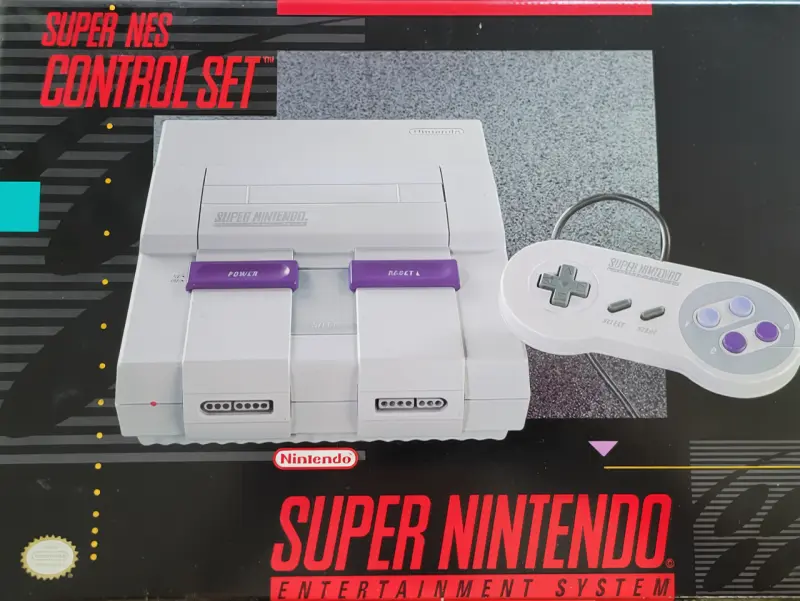
Super Nintendo Hardware Specifications
| Components | Details |
|---|---|
| CPU | 16-bit 65816 processor, 2.68 Mhz |
| Graphics Processor | 16-bit |
| Memory | RAM: 1 Mbit, Video RAM: 0.5 Mbit, Cart size: 2 Mbit – 48 Mbit |
| Display | 512 x 448 pixel maximum resolution, 32,768 colours, 256 colours on-screen, 64 x 64 pixel maximum sprite size, 128 sprites on-screen |
| Size | 200mm x 72mm x 242mm |
| Video Output | RF, RGB, S-Video |
| Sound Chip | 8-bit Sony SPC700, 8 sound channels |
| Other Features | Mode 7, Two controller ports |
What are RPGs (Role-Playing Games)?
RPGs (Role-Playing Games) let players step into fictional characters, shaping stories through their choices and actions. More than controlling avatars, players embody them—navigating exploration, combat, dialogue with NPCs (Non-Player Characters), and growth. RPGs emphasize narrative depth, character development, and player agency, often blending strategy, storytelling, and simulation. They span formats from tabletop systems and live-action role-play to video games, from classic SNES titles to modern releases and mobile apps. Their influence extends beyond gaming, inspiring books, television, and films.
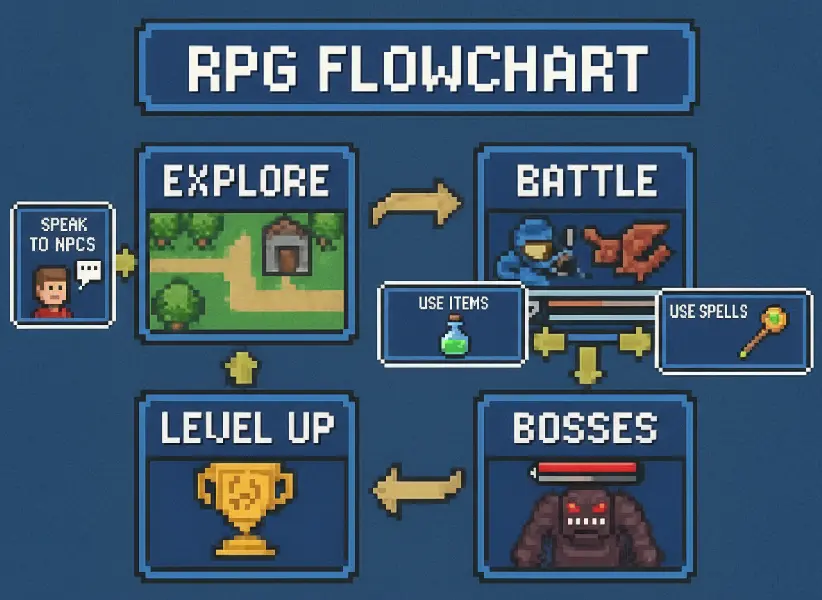
Challenge the Dark Dragon in this turn-based RPG battle:
⚔️ RPG Battle Arena 🐉
Hero Knight
Health: 100/100
Dark Dragon
Health: 120/120
Battle started! Hero's turn to strike.
Why is the SNES is considered one of the strongest consoles in the RPG field?
Strong Developer Support
- Renowned Japanese developers and publishers like SquareSoft (now Square Enix), Enix (now part of Square Enix), Capcom, Nintendo, Taito, and others created some of their most beloved RPGs for the SNES.
- These studios had the creative freedom and technical know-how to push the boundaries of what RPGs could be.
- It was a period of friendly rivalry that produced some of the most iconic RPGs ever made.
Hardware Tailored for RPG Excellence
- Graphics and Custom Chips: Mode 7 for dynamic scaling/rotation (e.g., world maps), detailed 16-bit pixel art, and cinematics—perfect for expansive RPG maps and sprite-heavy battles.
- Sound: The SPC-700 chip delivered rich, memorable soundtracks, enhancing emotional storytelling.
- Storage: Expanded memory cartridges let developers include longer scripts, detailed sprites, and rich soundtracks, enabling 40+ hour adventures.
Innovative Gameplay Mechanics
- Multiple party members with unique abilities.
- Active Time Battle (ATB) systems.
- Time travel and multiple endings.
- Dynamic and cinematic storytelling.
- Real-time combat mixed with RPG elements.
- Cooperative action-RPG experience.
- Creative enemy allies concept.
Global Reach and Localization
- SNES was the first era when Japanese RPGs became mainstream in the West.
- Localization efforts brought deep storytelling to global audiences, building an international RPG fanbase.
- Effective strategic marketing and less competition in the genre.
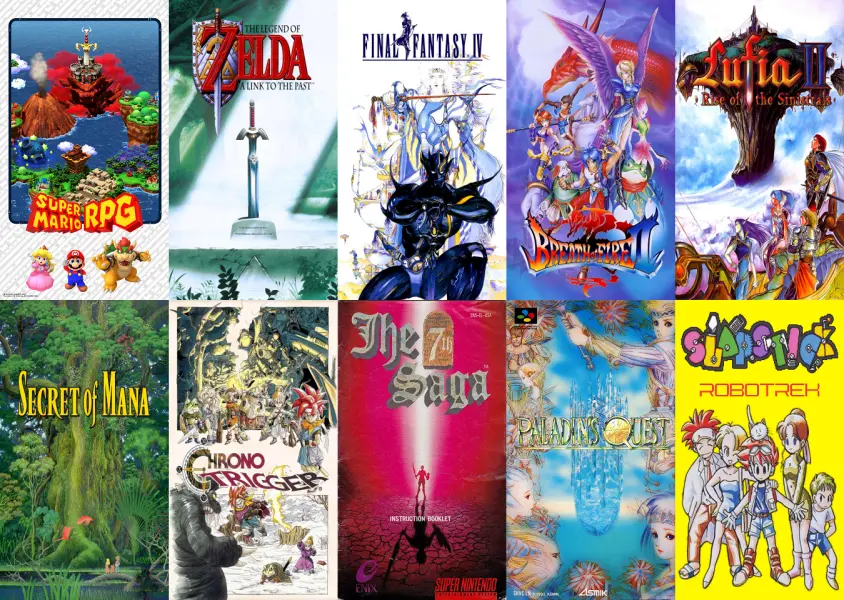
Recommended Super Nintendo RPGs
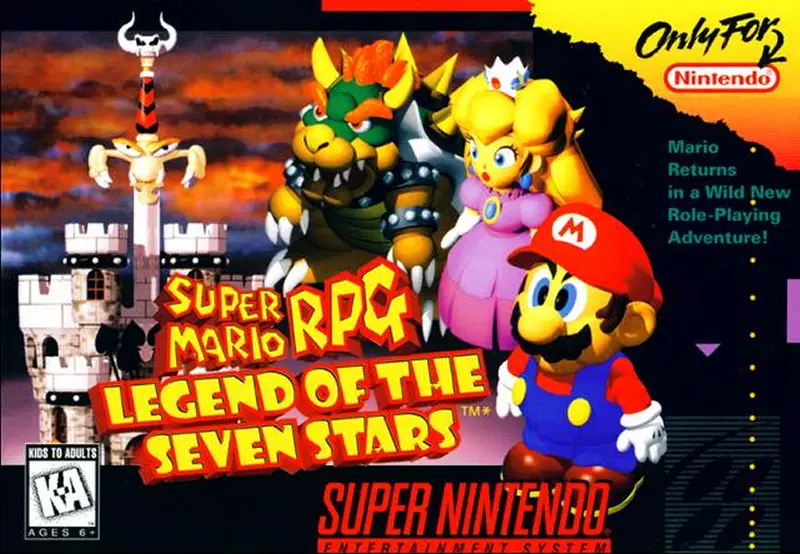
Super Mario RPG: Legend of the Seven Stars
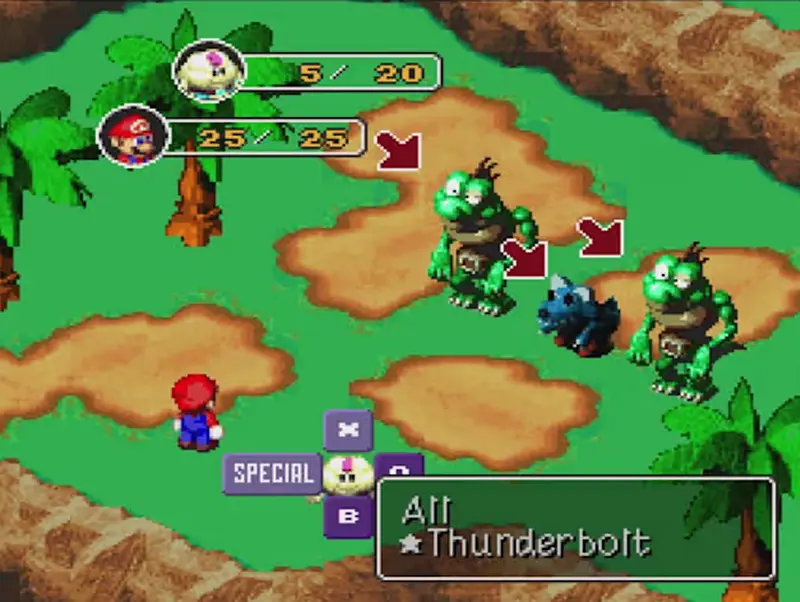
Set in the Mushroom Kingdom, this adventure RPG starts with Mario’s classic mission to rescue Princess Toadstool from Bowser. However, the arrival of a mysterious new enemy, Smithy, forces the eternal rivals into an unprecedented alliance. Their quest spans diverse locations—from a mole mining town to a tropical forest—where they overcome strategic obstacles, gain power, and recruit unique allies. This masterful blend of traditional RPG elements and Mario’s signature action cements its legendary status.
- This RPG's combat is revolutionized by its timed-hit mechanic. Pressing buttons with precision boosts your attacks or blocks enemy strikes. This innovative system makes every turn-based battle on the SNES an exciting and interactive test of skill.
- Embark on a whimsical adventure where Mario teams with unexpected allies like Geno and Mallow to reclaim the stolen Star Road, forging unlikely alliances across vibrant worlds.
- Explore a vibrant, isometric world where charming SNES graphics bring Mario's RPG adventure to life. Discover hidden paths and treasures in beautifully reimagined locales, all set to a catchy, unforgettable soundtrack.
- Super Mario RPG offers rich replay value with its engaging side quests and inventive mini-games. From Yoshi Races to Beetle Mania, these activities reward you with rare items, enhancing the adventure for all players.
When you purchase through our Mavely links, we may earn a commission at no extra cost to you. Your support means a lot and helps us keep doing what we love. Thank you!
The Legend of Zelda - A Link to the Past
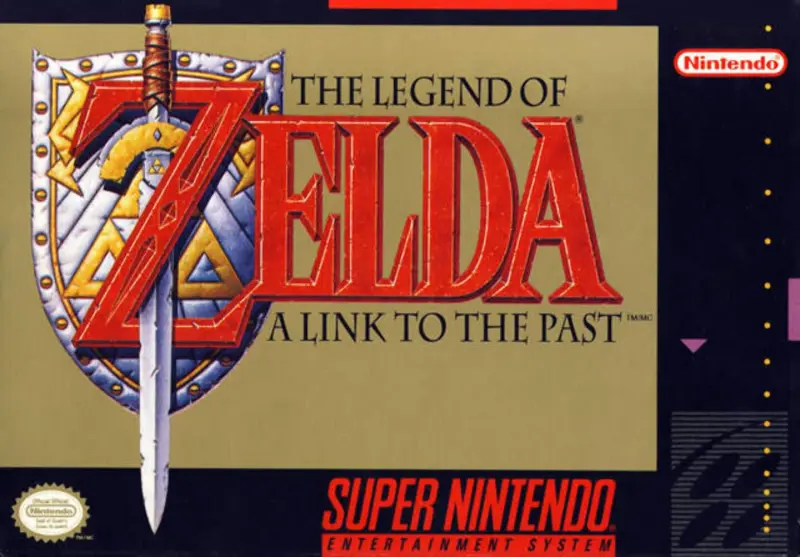
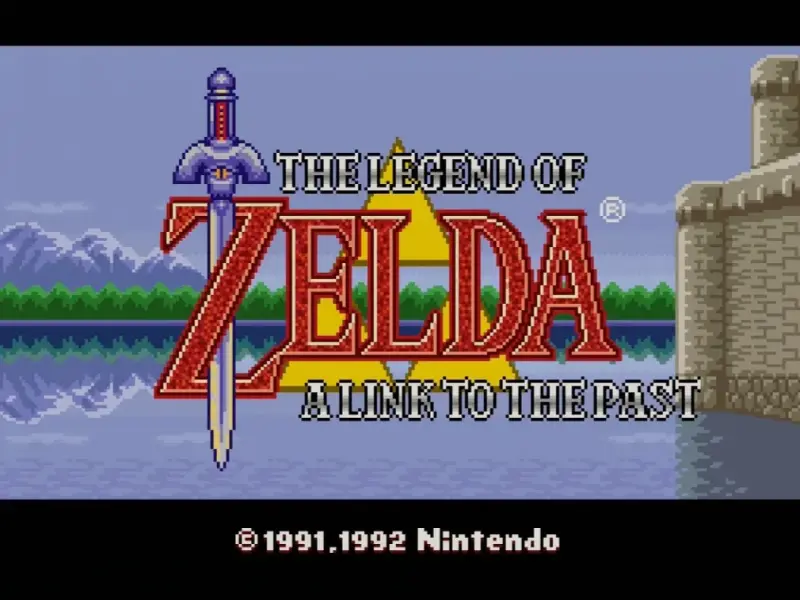
The Legend of Zelda – A Link to the Past (1991) isn’t just a landmark SNES title—it’s the architect of modern action-adventure design. Players control Link, summoned by Princess Zelda to save Hyrule from the demonic Ganon. The difficulty is well-balanced: challenging but fair, especially with the inclusion of helpful NPCs like the wise old man and the seven maidens. Influential, classic, foundational — A Link to the Past is all three.
- Journey between Light and Dark Worlds, solving intricate puzzles and uncovering secrets unique to each realm. This groundbreaking dual‑world mechanic redefined SNES adventure design, keeping exploration, dungeons, and landscapes dynamic, surprising, and endlessly fresh.
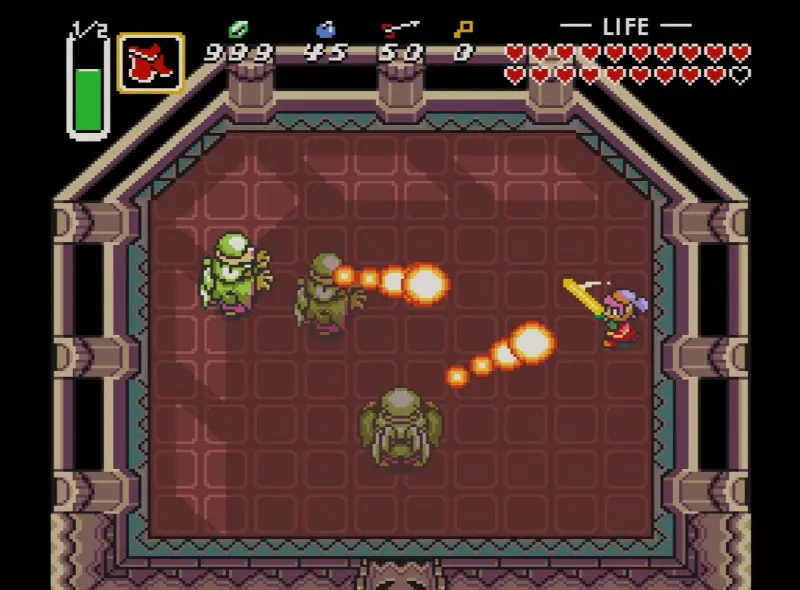
- Innovative item-based gameplay: Use tools like the Hookshot and Pegasus Boots to unlock new strategies and hidden areas. Items enhance combat and puzzles, and mastering them is crucial for bosses and uncovering every secret.
- Compact, puzzle‑packed dungeons with item‑gated progression and memorable bosses, paired with smooth swordplay, responsive movement, and transformative items that constantly change exploration and combat — a tightly looped experience that rewards skill and discovery.
- Stunning early SNES visuals — vibrant palette, detailed sprites, and mind‑blowing Mode 7 map/boss effects that contrast the Light and Dark Worlds. Koji Kondo’s iconic soundtrack (Hyrule Field, Lost Woods, Dark World) perfectly elevates every moment.
When you purchase through our Mavely links, we may earn a commission at no extra cost to you. Your support means a lot and helps us keep doing what we love. Thank you!
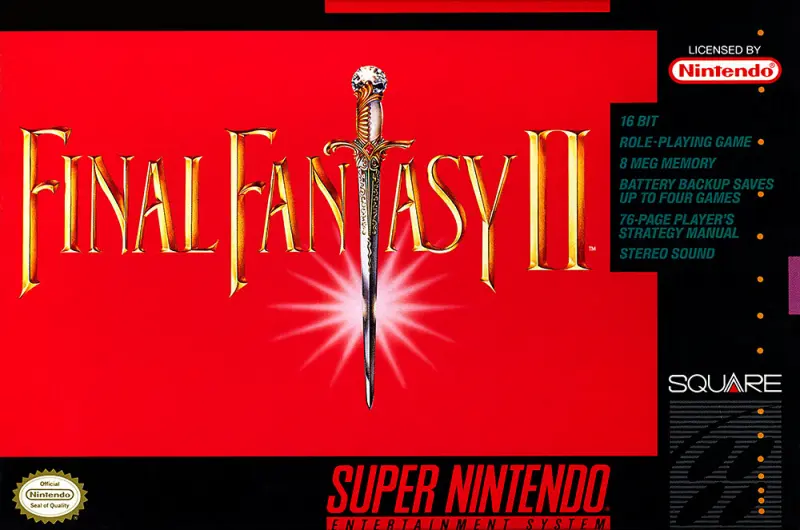
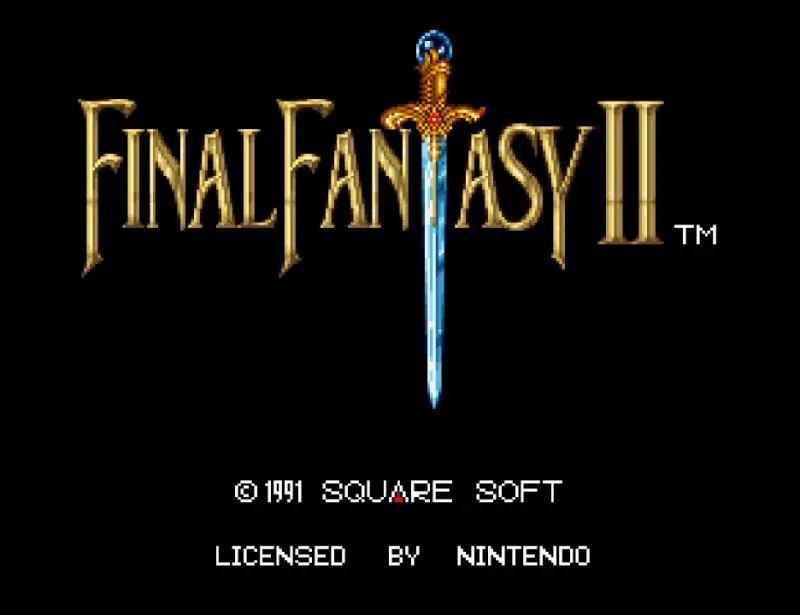
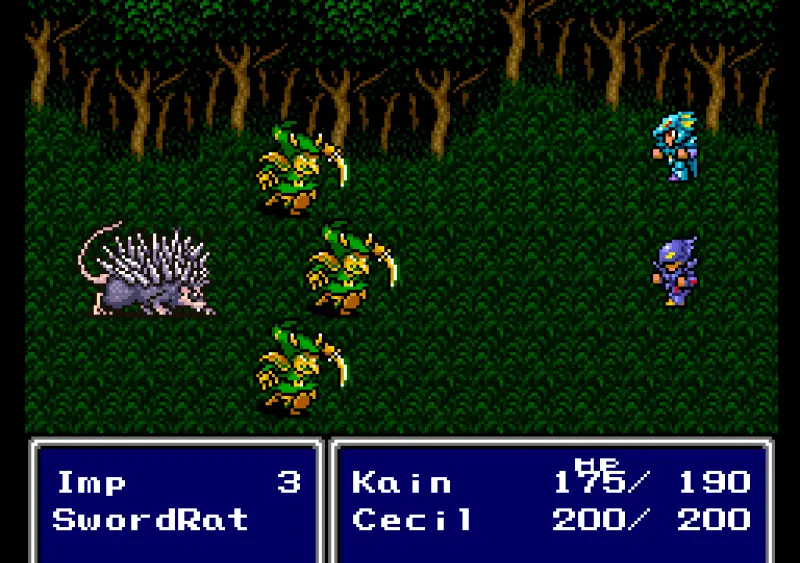
Final Fantasy II
Final Fantasy II on the SNES (known in Japan as Final Fantasy IV) is widely regarded as a landmark RPG. The game follows Cecil, a Dark Knight commanding the Red Wings, who begins to question the king he loyally serves. It revolutionized the genre with a more character-driven story, a memorable cast, and an emotional score. While the Western release was criticized for a simplified translation and easier difficulty, its narrative remains highly engaging, full of unexpected twists that keep players invested in the characters’ fates.
- For the first time, party members had distinct personalities, motivations, and story arcs. Characters like the dragoon Kain, whose jealousy and inner conflict are masterfully portrayed, and the lovable sage Tellah, fueled by a powerful grudge, felt like real people.
- From time to time, the game spices things up with bursts of Mode 7 scaling and rotation, keeping the presentation dynamic.
- Nobuo Uematsu’s score, including tracks like “Theme of Love,” elevated the emotional impact.
- Battles felt faster, more dynamic, and strategic. You couldn't just sit back and plan forever; you had to think on your feet.
When you purchase through our Mavely links, we may earn a commission at no extra cost to you. Your support means a lot and helps us keep doing what we love. Thank you!
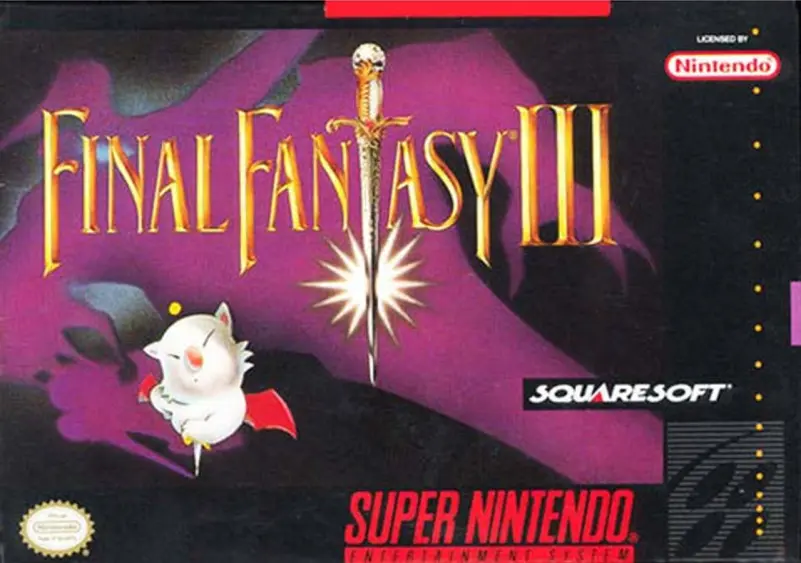
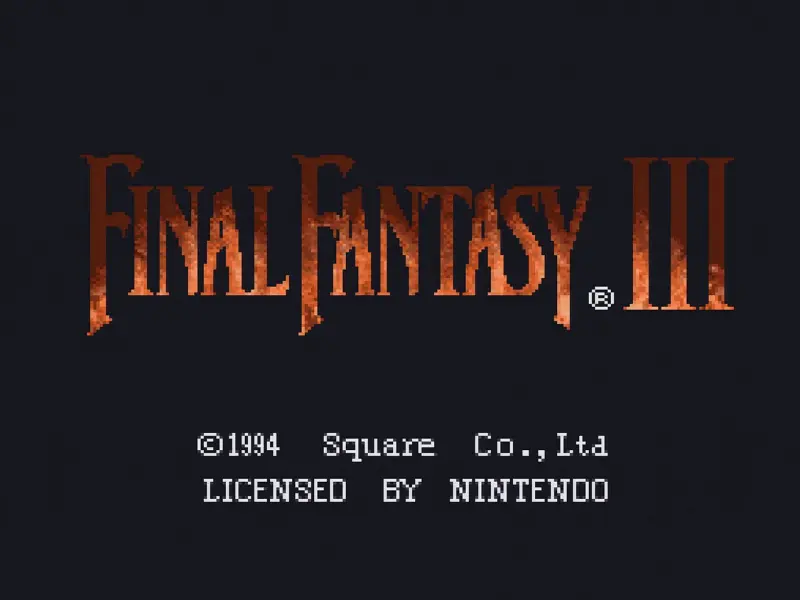
Final Fantasy III
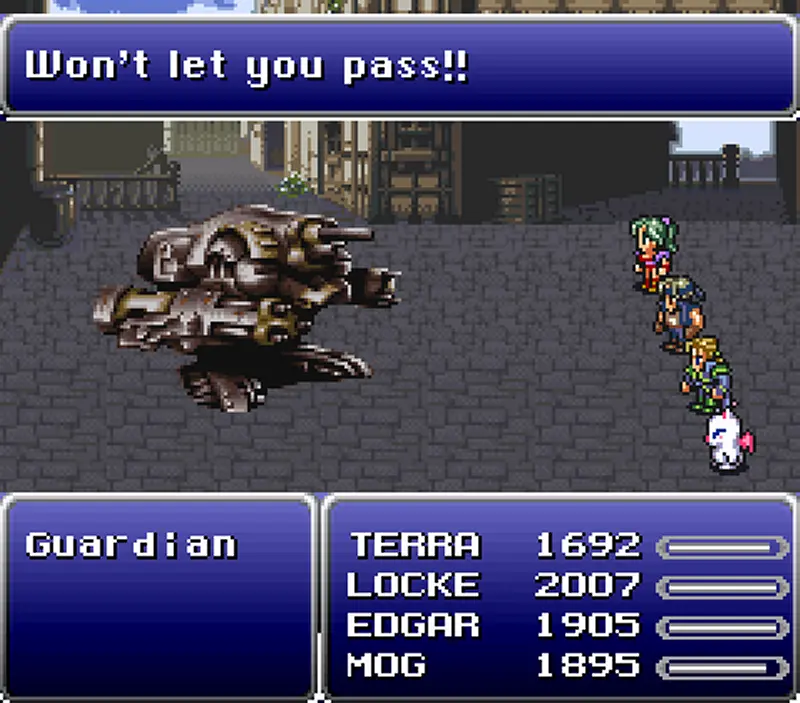
If Final Fantasy II set the standard for cinematic storytelling in RPGs, then Final Fantasy III (known in Japan as Final Fantasy VI) perfected it and then shattered all expectations. It is not merely a great SNES game; it is a landmark achievement whose ambition, depth, and emotional power remain unmatched by many modern titles. This is all supported by a new sophisticated battle system that rewards tactical thinking without sacrificing accessibility.
- 14 playable characters, each with unique abilities and backstories. Standouts include Terra and Locke.
- Kefka Palazzo stands out as a rare villain who wins, shattering the world, becoming a godlike tyrant, and etching his madness into gaming history.
- Variety of challenges: Airship navigation, strategic ambush avoidance, set-piece raids, and pivotal boss fights each use the combat system in distinct ways.
- A dynamic job-changing system brings a nearly infinite number of party variations.
When you purchase through our Mavely links, we may earn a commission at no extra cost to you. Your support means a lot and helps us keep doing what we love. Thank you!
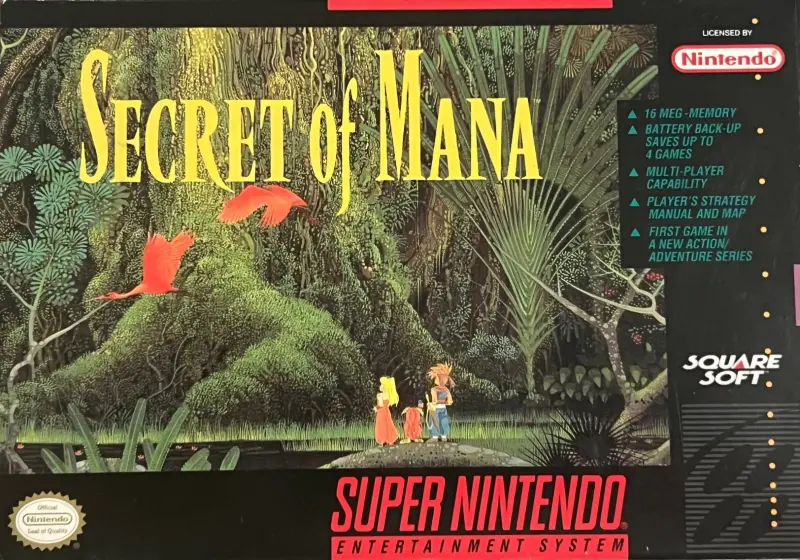

Secret of Mana
Secret of Mana (released in Japan as Seiken Densetsu 2) stands as a landmark SNES RPG title, pioneering the Action RPG genre with its vibrant world and groundbreaking co‑operative multiplayer. The story follows a young boy who unwittingly pulls a magical sword from its resting place, unleashing monsters and setting off a quest to restore the fading power of Mana. Its lush, painterly environments brought a sense of life and wonder rarely seen in 16‑bit games.
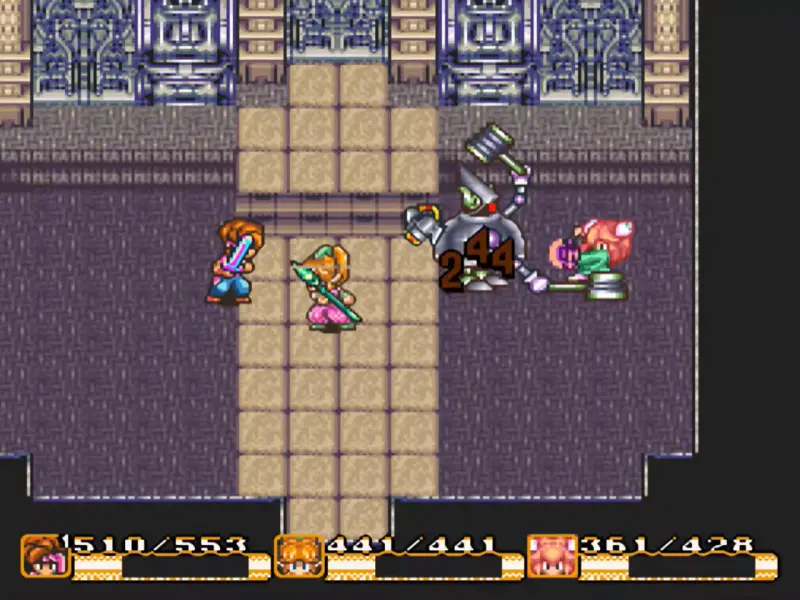
- Experience real-time action RPG combat on the SNES with the Ring Command menu, swapping weapons and casting spells as you battle Mana Beasts and bosses like Spiky Tiger alongside your party.
- Using the SNES Multitap, up to three players can control the main hero Randi, his sprite ally Popoi, and the warrior girl Primm simultaneously. This was extremely rare in 1993 and remains a standout feature—few RPGs before or since have offered such smooth, drop-in co-op in a story-driven adventure.
- Forge and customize weapons with Watts, upgrading the Mana Sword and more. Collect rare orbs to unlock animations and elemental powers, prepping your party for the Mana Fortress’s toughest challenges.
- Composed by Hiroki Kikuta, the soundtrack is an all-time classic. Tracks like "Angel's Fear," "The Phantom and the Rose," and "The Oracle" are masterpieces of 16-bit composition. The music perfectly captures every mood, from serene and mystical to tense and tragic.
When you purchase through our Mavely links, we may earn a commission at no extra cost to you. Your support means a lot and helps us keep doing what we love. Thank you!
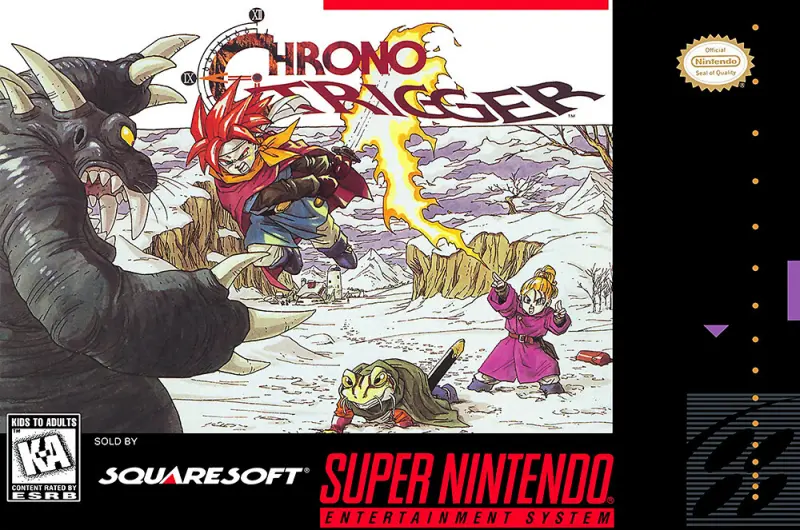
Chrono Trigger
If there is one game that represents the absolute peak of the SNES era—and arguably the entire RPG genre—it is Chrono Trigger. Developed by a “Dream Team” consisting of key creators from Final Fantasy (Hironobu Sakaguchi), Dragon Quest (Yuji Horii), and the Dragon Ball (Akira Toriyama), Chrono Trigger is a masterpiece so refined, so imaginative, and so perfectly crafted that it feels almost flawless. The game is a timeless journey across epochs, emotions, and the very fabric of fate.
- Time Travel is core, not gimmick: actions in one era cause tangible consequences in others. Fix medieval problems to alter the future—lush or wasteland—creating unmatched stakes, consequence, and worldbuilding, emotional narrative ripples throughout.
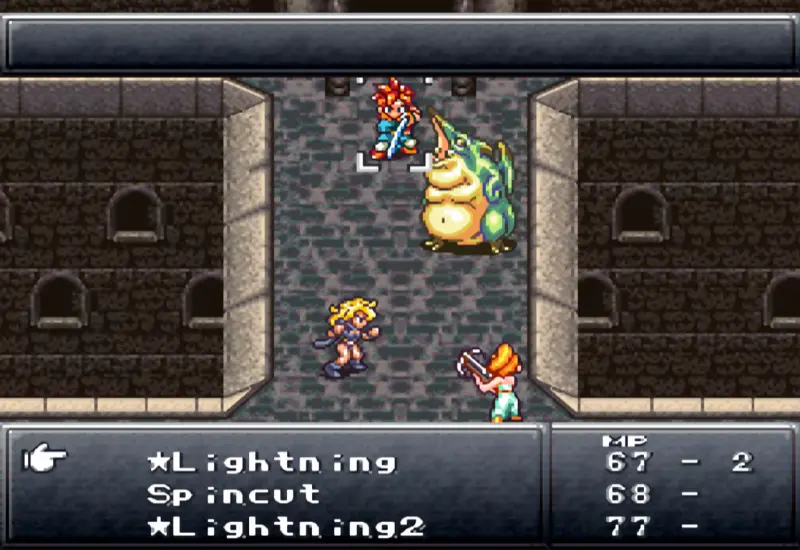
- The game uses an evolved version of the Active Time Battle (ATB) system. The key innovation is that battles occur directly on the map—there are no random encounters or separate battle screens. This keeps the adventure flowing seamlessly.
- From the neon-lit Future (2300 AD) to the prehistoric jungles and medieval castles, every era is visually distinct, richly detailed, and bursting with personality. The SNES’s Mode 7 is used sparingly but effectively (e.g., the Black Omen fortress).
- A groundbreaking feature: Chrono Trigger introduced New Game+, letting players replay with previous stats and equipment to uncover 13 different endings based on choices and timing.
When you purchase through our Mavely links, we may earn a commission at no extra cost to you. Your support means a lot and helps us keep doing what we love. Thank you!

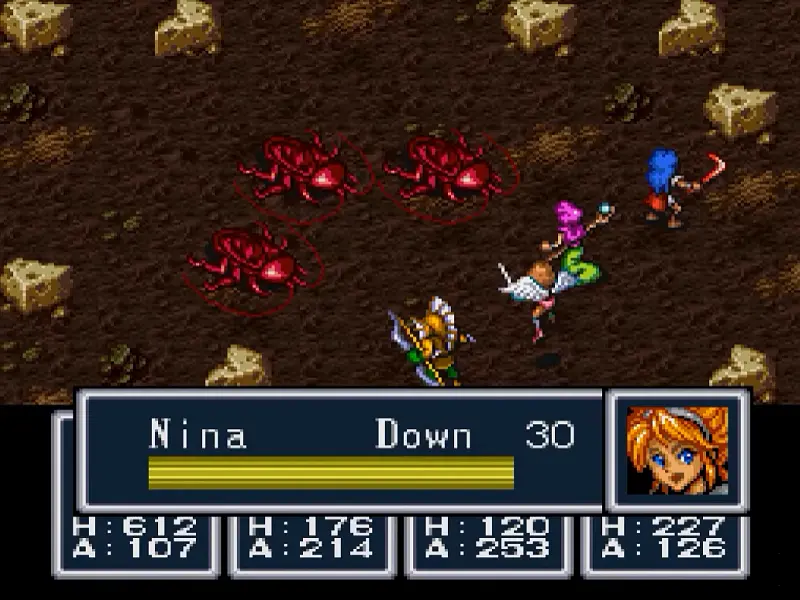
Breath of Fire
Capcom’s RPG debut, released in Japan in 1993 and localized for North America by SquareSoft (now Square Enix) in 1994, launched the dragon‑shifting Breath of Fire series. You play Ryu, a young hero who can transform into powerful dragons, navigating a mostly linear tale of betrayal and restoration. The story balances lighthearted party banter with darker moments—village razings and betrayals—creating an engaging, emotionally varied adventure.
- Ryu’s signature power is the ability to transform into various dragon forms, adding strategy and excitement to major battles. This feature became a defining hallmark of the series.
- Each party member has unique field abilities for puzzles and exploration: Karn shoves pillars, Bo chops trees, Nina flies briefly—making overworld navigation interactive and giving every character purpose beyond combat.
- The game features a real-time day/night system that influences NPCs behavior and even the availability of certain encounters and shops, adding a small but noticeable layer of realism to the world.
- The fusion of magic, ancient technology, and mythical beasts gives the setting a uniquely Capcom flavor—less medieval, more fantastical and mysterious.
When you purchase through our Mavely links, we may earn a commission at no extra cost to you. Your support means a lot and helps us keep doing what we love. Thank you!
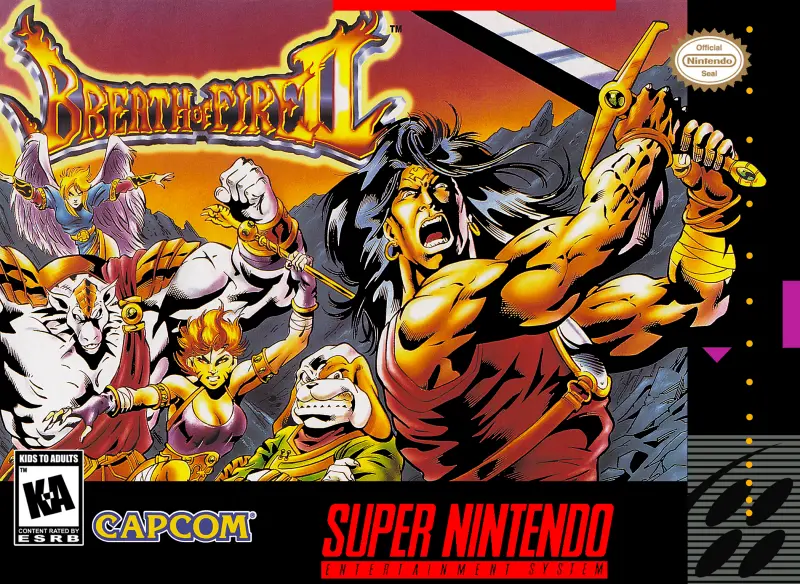
Breath of Fire II
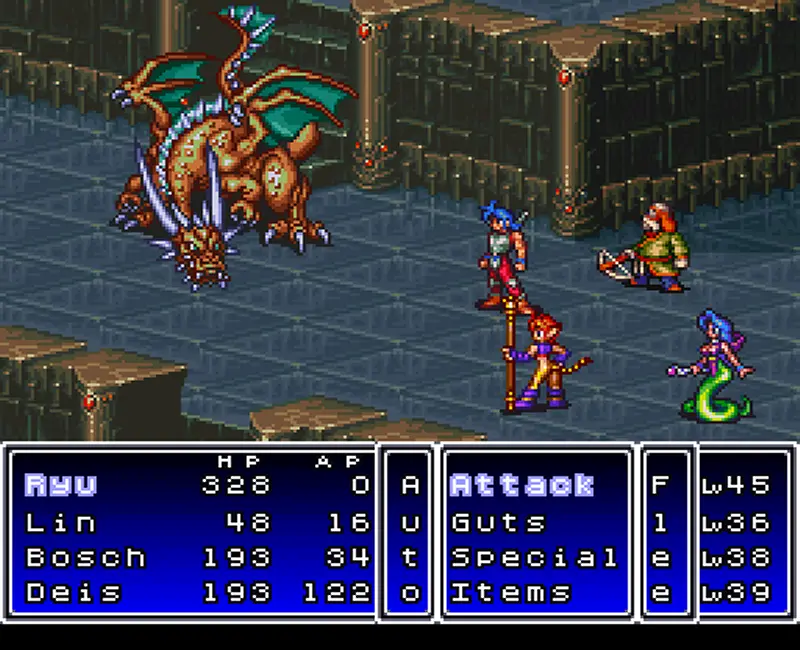
If the first Breath of Fire was a charming debut, Breath of Fire II is a darker, more ambitious sequel—bigger cast, deeper combat, and a mature story. Its scope impresses but also exposes flaws, notably a famously troubled localization that leaves it beloved yet imperfect. Dialogue and translations can be uneven, but strong set pieces and emotional beats—especially character moments—give the plot real weight.
- Epic turn‑based combat on SNES enhanced by Shaman Fusion: merge party members with mystical shamans to unlock forms and abilities, adding strategic depth and advantages against bosses and demons.
- Build and customize your township into a personalized hub by recruiting characters, adding shops and services, and attracting quirky residents. Your village evolves with new gameplay options and hidden secrets, rewarding exploration, creativity, and long‑term progression.
- The game features a greater cast of playable characters. You can have up to four in your active party at once, but you can also swap in two “reserve” members from the menu at any time. This is a fantastic quality-of-life feature that encourages experimentation.
- Capcom took a major leap in visuals here. Sprites are larger, more expressive, and the environments are rich in color and texture. Towns feel bustling and distinct, monster designs are imaginative, and the dungeons have a moody, almost painterly atmosphere.
When you purchase through our Mavely links, we may earn a commission at no extra cost to you. Your support means a lot and helps us keep doing what we love. Thank you!
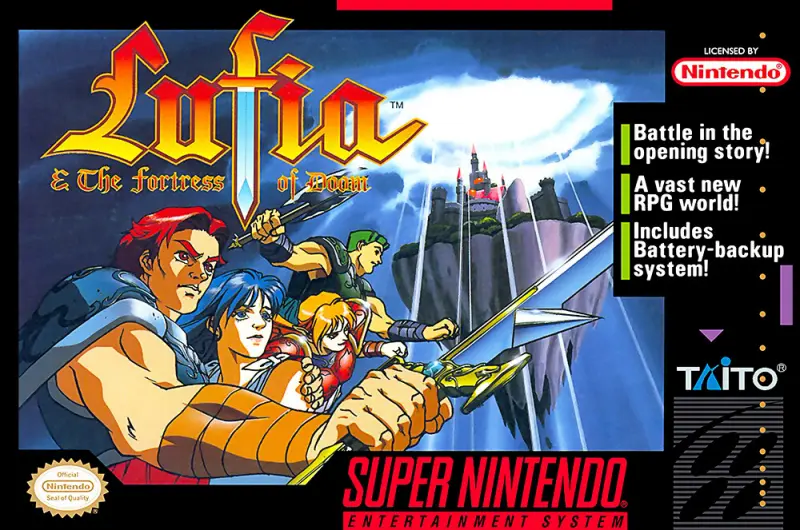
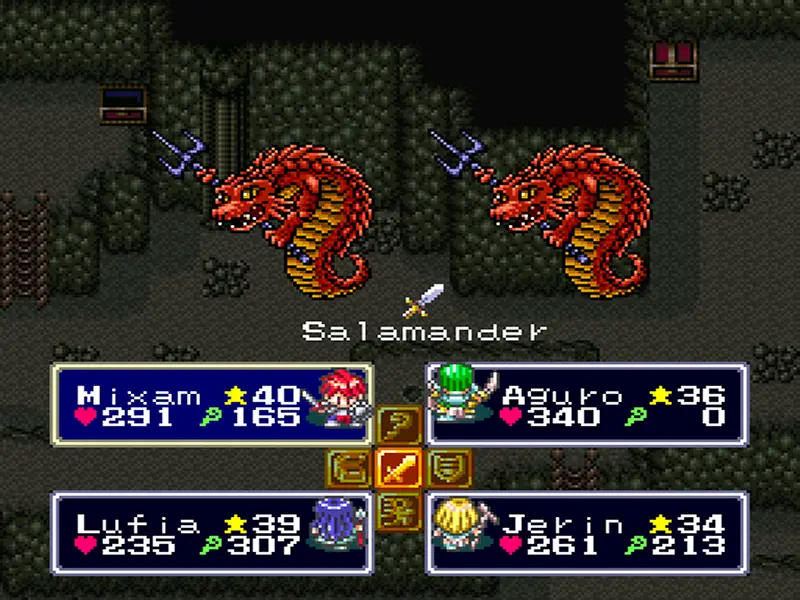
Lufia and the Fortress of Doom
While it may appear to be a standard early SNES RPG, Lufia and the Fortress of Doom delivers one of the 16-bit era’s most emotional and tragic stories. Few RPGs at the time dared to deliver such an emotionally mature story. The narrative transforms a classic fantasy quest into a profound tale about fate versus free will, identity, and sacrifice. Its reputation as one of the most touching narratives of its generation is well-earned, focusing not just on saving the world, but on the heartbreaking choice between love and duty made while doing it.
- Play as legendary heroes at the end of a past war—right at the game’s beginning—making the shift to their descendants feel weighted with legacy and loss. It’s a brilliant, emotional hook that defines the journey to come.
- The music, composed by Yasunori Shiono, is a standout element that elevates the game’s emotional weight and mythic tone.
- The dialogue shines with sharp wit and genuine charm, breathing vivid life into every member of the small cast, and elevating the game's atmosphere.
- The game's soul is its masterful plot twist, making it a special, heartfelt RPG classic remembered for emotional impact rather than flash.
When you purchase through our Mavely links, we may earn a commission at no extra cost to you. Your support means a lot and helps us keep doing what we love. Thank you!
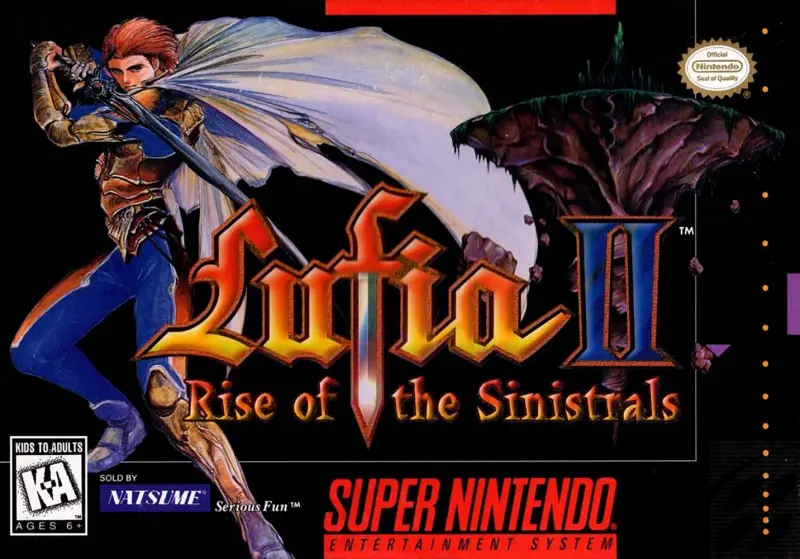
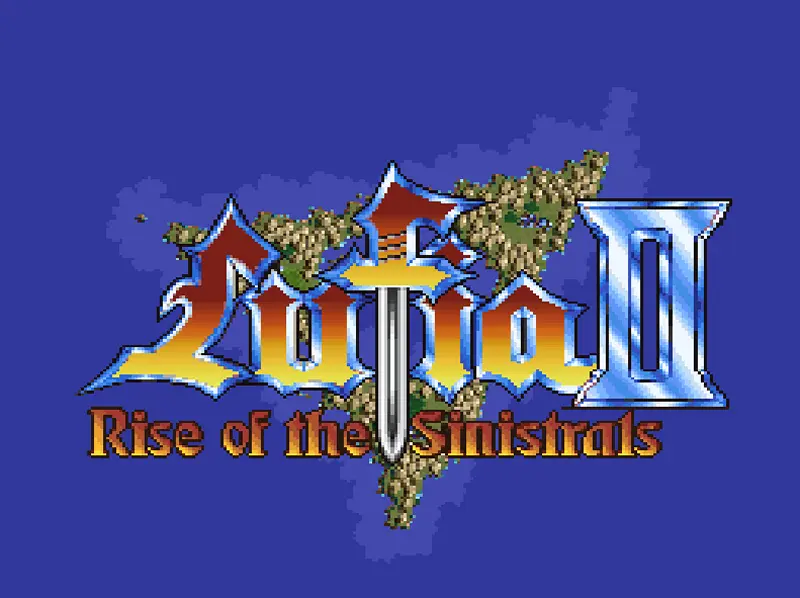
Lufia II: Rise of the Sinistrals
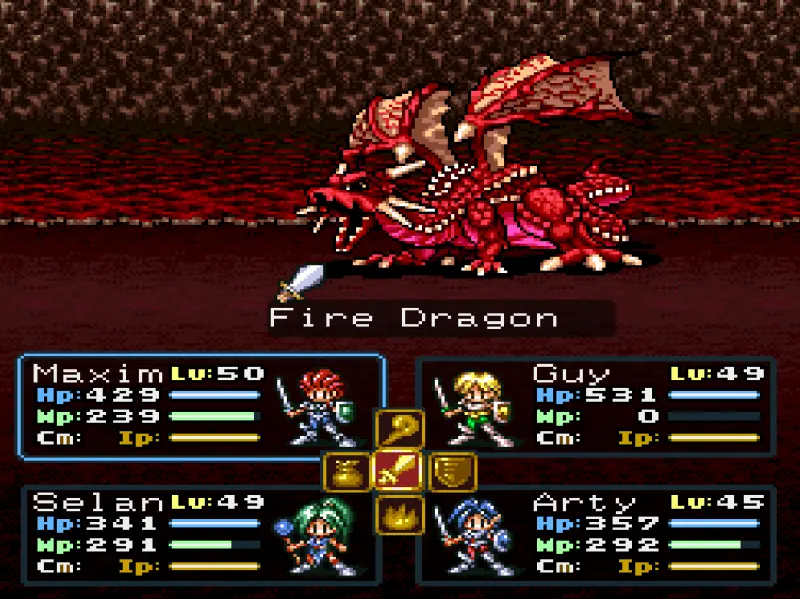
Lufia II: Rise of the Sinistrals is widely regarded as one of the SNES’s most distinctive RPGs and a superb prequel to Lufia and the Fortress of Doom — it refines nearly every element while delivering a tragic, compelling story. It’s especially praised for its inventive gameplay and emotional storytelling — not merely a “walk‑around‑and‑fight‑monsters” RPG, but an adventure that constantly engages the player’s mind. An essential hidden gem that rewards patience with one of the SNES’s most heartfelt adventures.
- Instead of traditional MP (Magic Power), characters have new IP (Item Power) gauge that fills as they take damage. Special skills are tied to their equipment. This system encourages strategic equipment management and adds a fantastic risk-reward layer to combat.
- Battles are avoidable and predictable — monsters roam the world where you can see them, and engaging one starts combat.
- Dungeons steal the show with Zelda‑style puzzles in every room — block‑pushing, switches, bombs, and a hookshot‑like tool all put your wits to the test. Each new tool opens hidden paths, secret chambers, and clever environmental solutions.
- Long before Pokémon, Lufia II let you recruit "capsule monsters" into a fifth party slot, found in dungeons and on the world map, adding tactical variety and rewarding exploration.
When you purchase through our Mavely links, we may earn a commission at no extra cost to you. Your support means a lot and helps us keep doing what we love. Thank you!
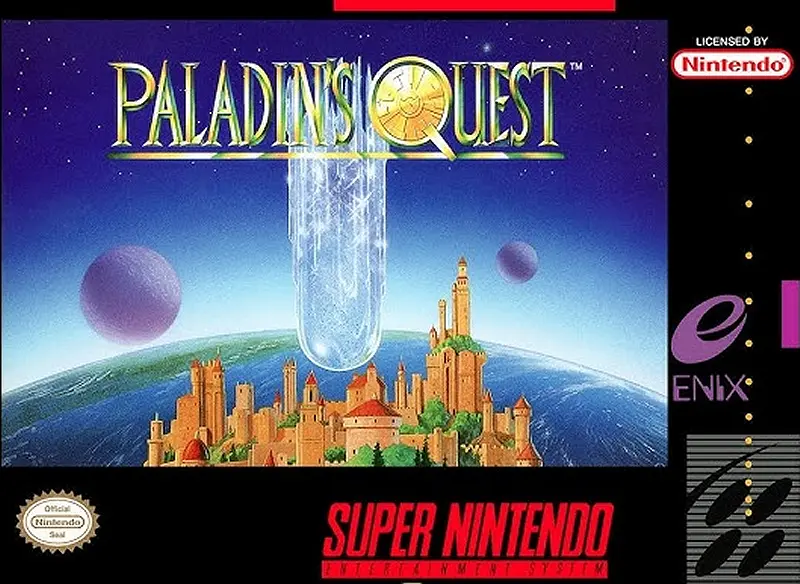
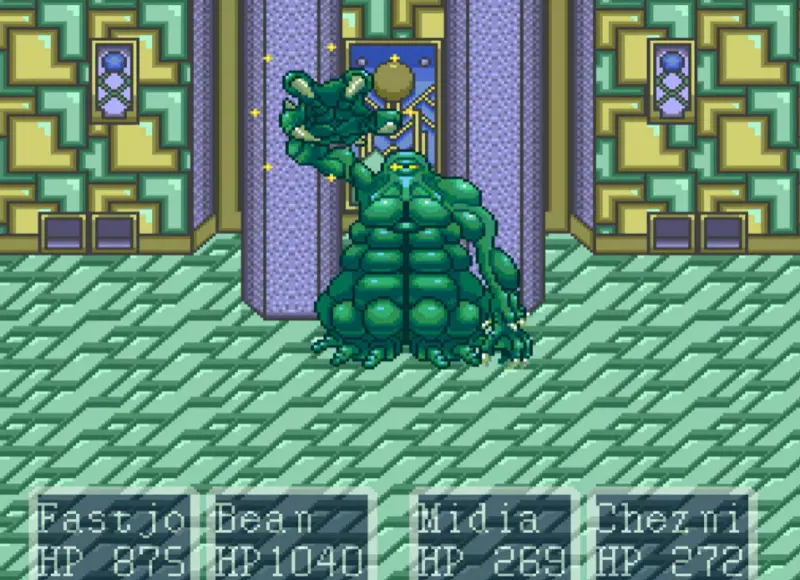
Paladin's Quest
In a crowded SNES lineup, Paladin’s Quest (Lennus) materializes like a melancholic dream, rendering its world in the pale blues and muted purples of a strange, haunting watercolor. Its unconventional magic system and unforgiving difficulty deter many, but those who persevere discover a somber and rewarding tale—Chezni’s quest to undo an ancient machine’s havoc, weaving a narrative of atonement, loss, and strange beauty. Through its bold creativity and alien charm, the game secures its status as one of the SNES‘s most unique RPG journeys.
- Distinctive hand-drawn art immerses players in Paladin's Quest's surreal environments—from Jurayn's mysterious streets to Lennus's eerie dungeons—an unusual SNES visual style that makes exploration feel like a continuous, uncanny visual adventure and memorably haunting.
- HP‑based magic: spells consume HP instead of MP, turning every cast into a tactical gamble. It adds tension but can frustrate, forcing frequent inn visits or use of scarce medicine bottles to recover between fights and slow progress
- Innovative spellcasting: Paladin's Quest lets you combine elemental spirits to create powerful, sometimes unpredictable spells. Mastering synergies between Air, Fire, Water and others is vital for tough fights, making magic experimental, strategic, and endlessly rewarding to replay.
- Chezni is the sole permanent ally; all others are hired mercenaries who don’t level, cost money, and leave permanently if defeated. The system reinforces the game’s harsh tone but feels cold, punitive, and discourages attachment.
When you purchase through our Mavely links, we may earn a commission at no extra cost to you. Your support means a lot and helps us keep doing what we love. Thank you!
The 7th Saga
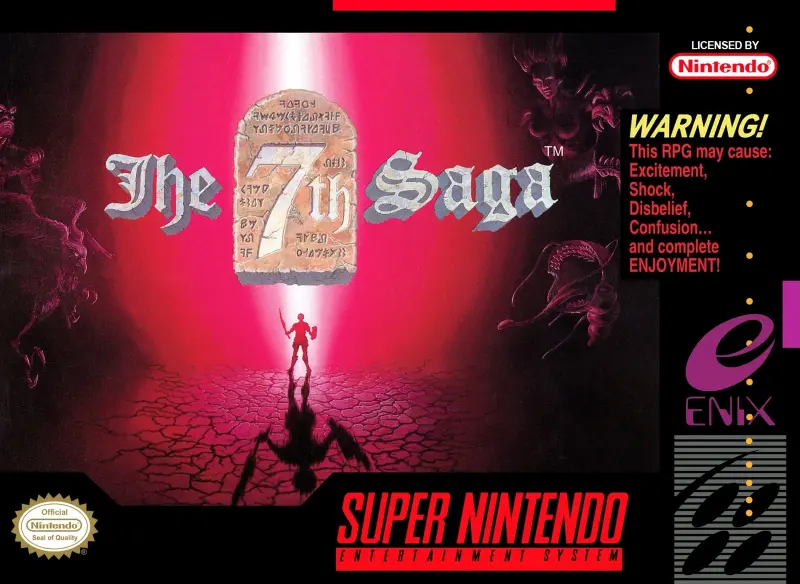
The game is one of the SNES’s most polarizing RPGs — rewarding for players who relish brutal, sometimes unfair challenge and system mastery. You pick one of seven protagonists (or more in multiplayer), each with distinct backstories and motivations. Rivals can become enemies as you race to collect seven runes. Not a cheerful high-fantasy tale; ideal for fans of old-school difficulty, deliberate stat management, and high-stakes exploration.
- The game's masterstroke is its rival system: the other six apprentices level up independently, compete for runes, and can ambush you, creating a uniquely tense and dynamic race rather than a standard quest.
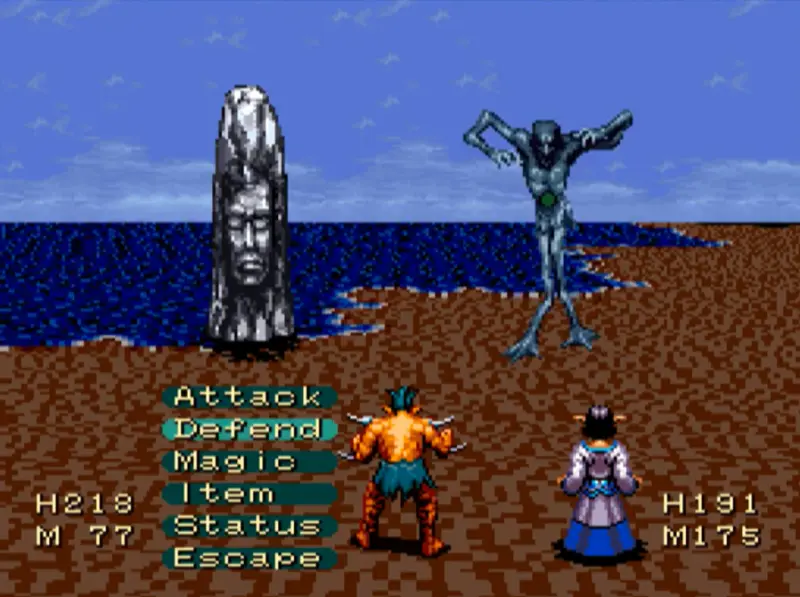
- Challenging turn-based combat: Rune-based mechanics deepen planning and resource management. Its unforgiving difficulty makes each hard-won victory feel meaningful and rewarding for patient, persistent players.
- Striking visuals: for an early SNES title, the game features large, detailed character sprites and massive bosses. Mode‑7 overworld effects and rune spell animations were cutting‑edge then and still retain a nostalgic charm.
- The game innovates with a Crystal Ball "radar" that shows runes, rivals, towns and approaching enemies, making encounters avoidable in theory. Fast, erratic enemy movement limits avoidance; Mode 7 transitions add flair between exploration and battle.
When you purchase through our Mavely links, we may earn a commission at no extra cost to you. Your support means a lot and helps us keep doing what we love. Thank you!
Robotrek
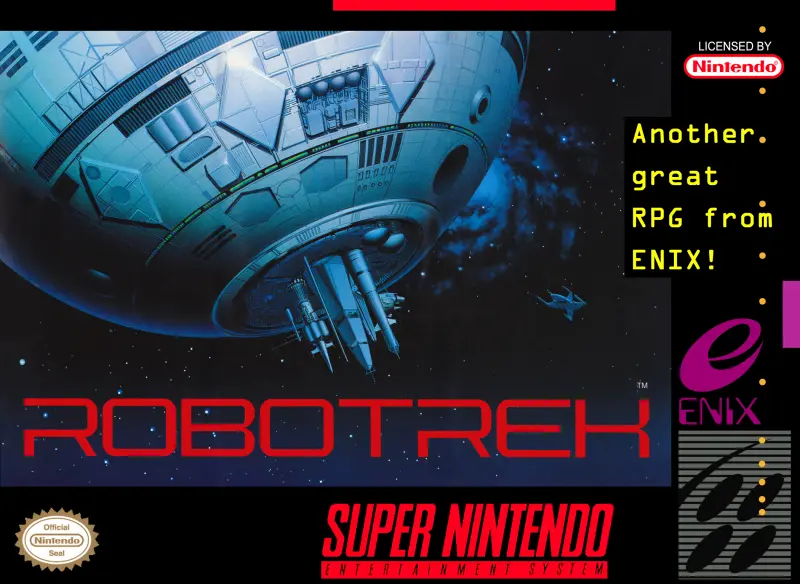
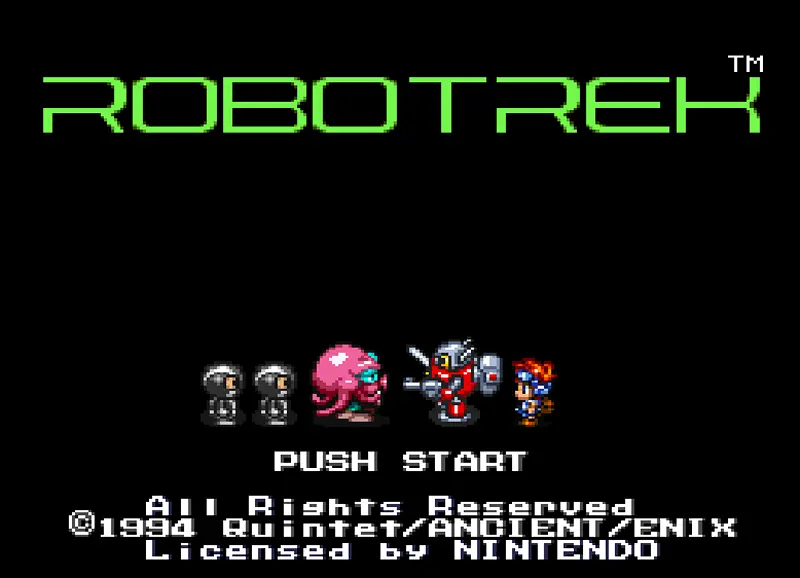
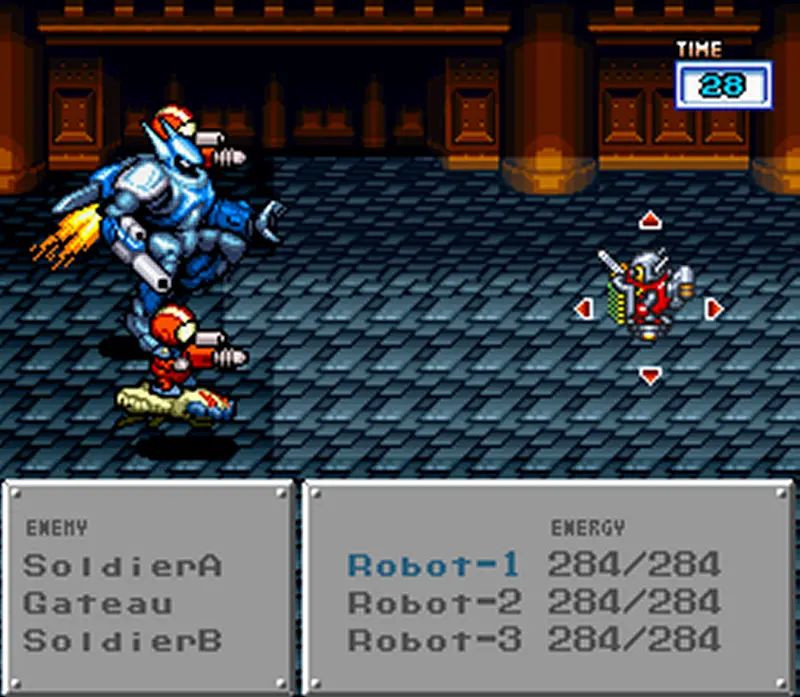
Robotrek is a quirky, lighthearted SNES RPG that trades swords and sorcery for wrenches and circuit boards. You play as a young inventor who builds and programs robots to battle a comical group of villains—a premise that remains refreshingly whimsical even today. Its bright, cartoonish art style, featuring expressive sprites and vibrant environments, evokes a playful, almost toy-like universe.
- Quirky, lighthearted story: play as a young inventor, Dr. Akihabara’s son, battling the mischievous Hackers. Offbeat humor, a charming cast—like the eccentric Professor—and memorable NPCs, plus its light sci‑fi setting, make Robotrek narratively memorable
- Design and upgrade robots in Robotrek's Inventor's Lab, fitting parts and weapons to craft custom builds. Experiment with gadgets and combinations for tactical advantages in battle—an inventive, hands‑on progression system that redefines SNES RPG design.
- Dynamic turn-based combat: engage fast, tactical battles where positioning, timing, and custom robots matter. The "Program" system lets you preconfigure combos and strategies, rewarding creativity and elevating Robotrek’s combat above many SNES RPGs.
- Robotrek's originality and personality make it stand out. It’s a refreshing break from the typical medieval fantasy formula, offering creativity and fun in equal measure.
When you purchase through our Mavely links, we may earn a commission at no extra cost to you. Your support means a lot and helps us keep doing what we love. Thank you!
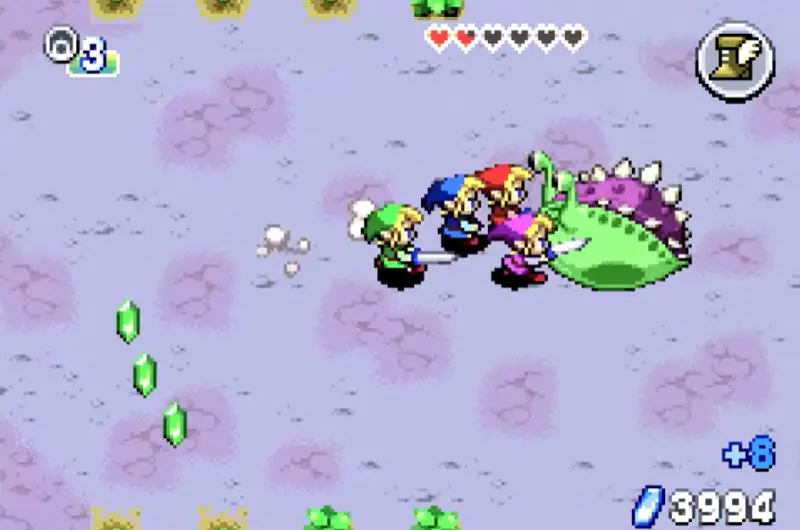
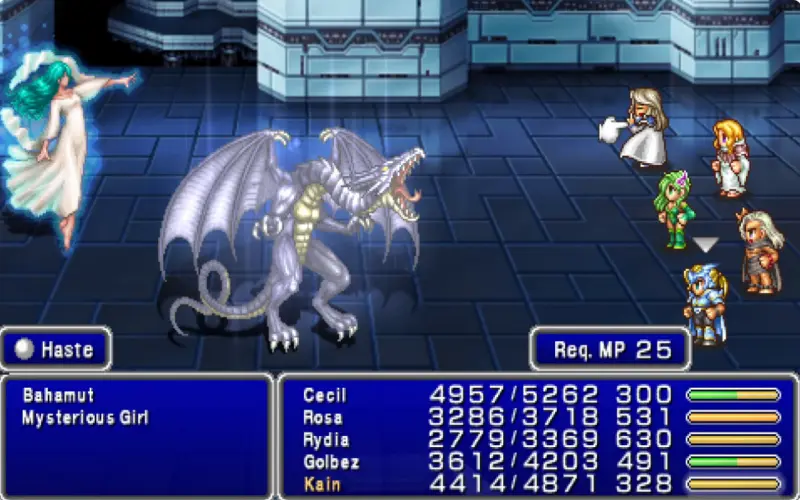
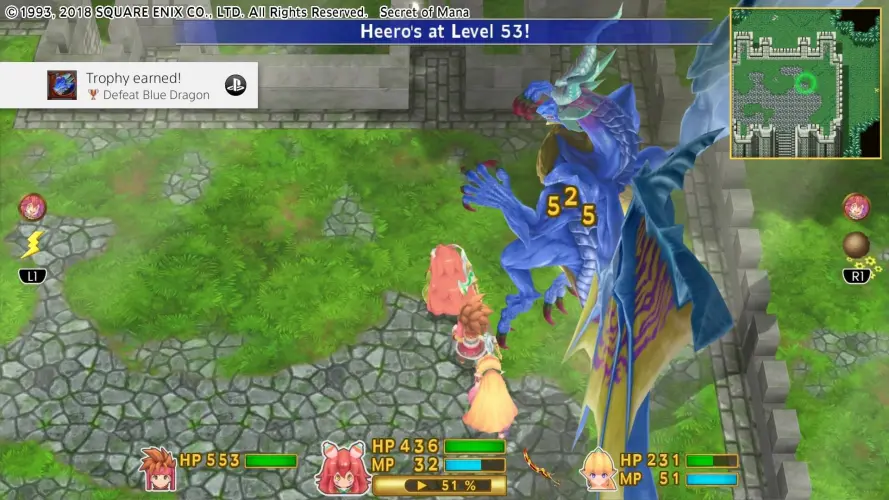
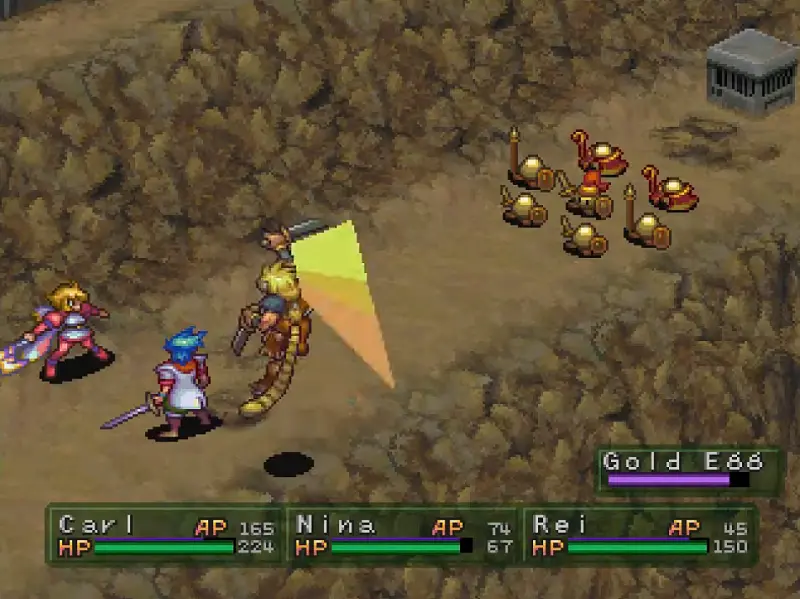
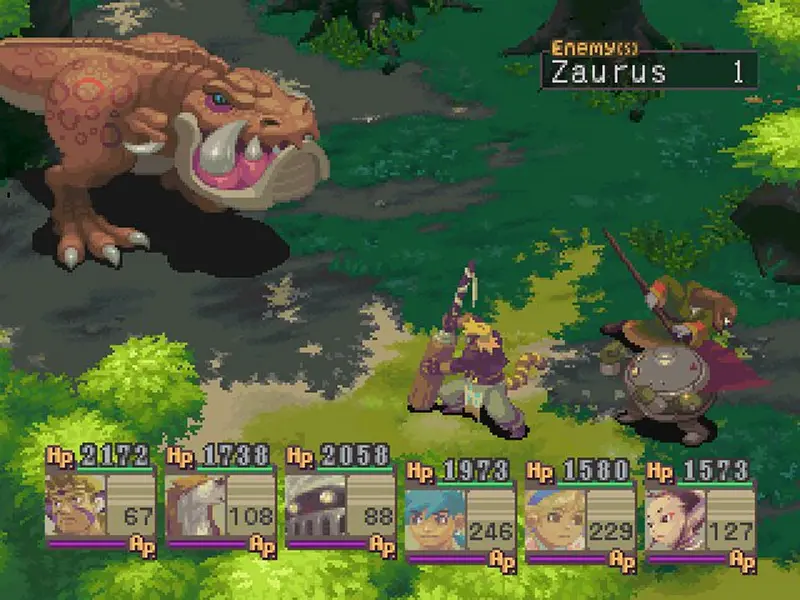
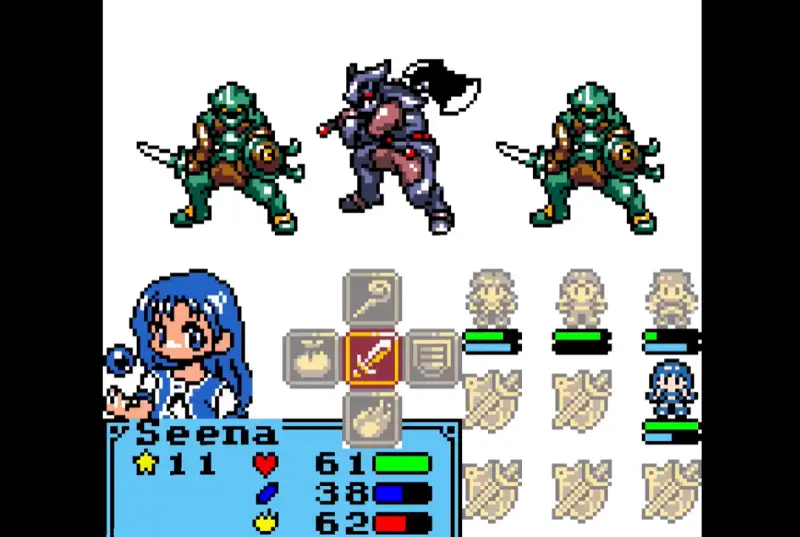
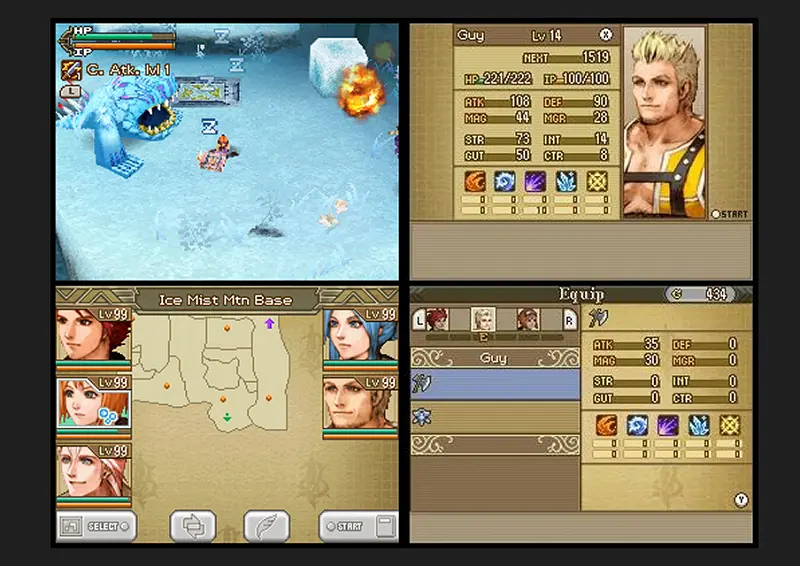
Official Sequels, Faithful Remakes, and Modern Ports
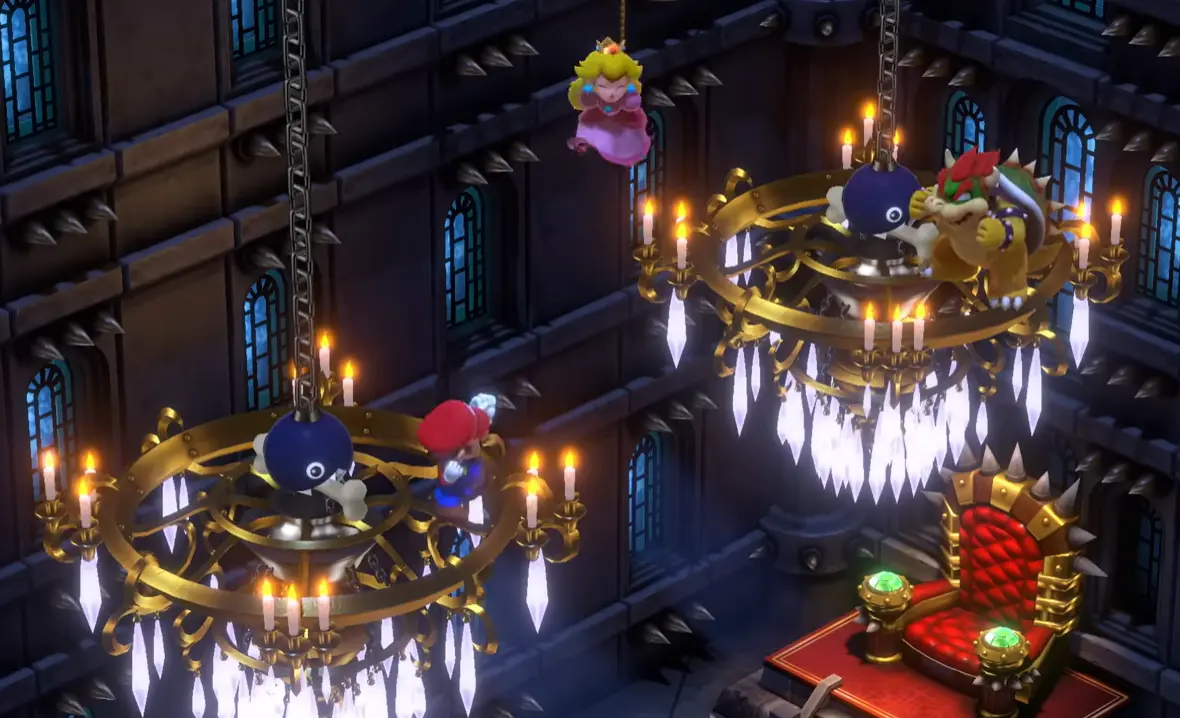
Bring SNES RPG classics to other game platforms, preserving core gameplay while adding quality‑of‑life updates and reaching new audiences.

Are the classic SNES RPGs still worth it nowadays?
Classic SNES RPGs remain absolutely worth playing today. Far from mere nostalgia, these 16-bit masterpieces deliver tight design, emotional storytelling, memorable characters, and iconic soundtracks that still influence modern RPGs. With turn-based combat and charming pixel art, these games provide a streamlined, engaging experience free from the distractions of modern open-world complexity. Play them to experience foundational genre moments, timeless narratives, and inventive mechanics—it is essential for both dedicated fans and anyone wanting to understand the evolution of the RPG genre. If you love rich narratives, distinctive worlds, and rewarding turn-based combat, these classics still deliver some of the most enduring and influential gaming experiences ever made.
Related Posts
Indie Games in 2026: How Small Teams Are Shaping Big Ideas
The landscape of Indie Games in 2026 is being shaped by passionate creators and small studios.…

Holiday Hits: Must-Play Christmas Video Games for 2025
Bring home Great Christmas Video Games 2025 on Windows, Mac, Linux, and consoles — heartwarming…
The Legend of Atari 2600 VCS
The Atari 2600 VCS is a legend in gaming history—released in 1977, it revolutionized home…

How to Master Pro Brawl Stars Strategy Without Spending Money
Master pro-level Brawl Stars strategy with zero pay-to-win tactics. Learn advanced movement, team…

AI’s Game-Changing Impact on Gaming
AI powers modern gaming with smarter enemies, adaptive teammates, dynamic stories, and immersive…
SNK Neo Geo: The Most Immersive Arcade-at-Home Experience
The SNK Neo Geo AES, released in 1991, is a revolutionary legendary video game console system that…

5 Best-Loved Hi-Tech Virtual Pets
Discover the best-loved hi-tech virtual pets, where cutting-edge A.I., blockchain, and interactive…

Smarter Living: Top Tech Gadget Picks (Smart Security)
Tech gadgets not only simplify daily tasks but also help in enhancing productivity, health, and…

The Beat of Culture: How Music-Driven Rhythm Games Shape Emotion and Fitness
Music games are a popular genre that combines musical precision with interactive gameplay,…

Smarter Living: Top Tech Gadget Picks (Smart Health Monitoring)
Tech gadgets not only simplify daily tasks but also help in enhancing productivity, health, and…